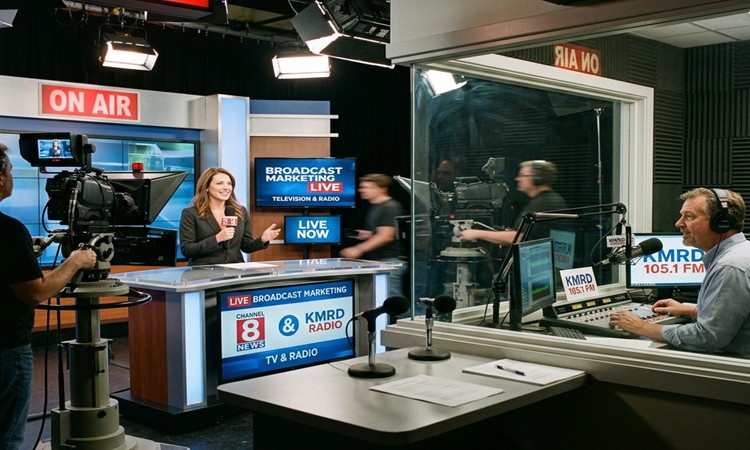
In an era dominated by digital marketing, broadcast marketing, particularly through television and radio, still retains significant relevance. This traditional form of advertising is powerful, enabling brands to reach vast audiences, make a big impact, and build emotional connections.
Let’s examine the intricacies of broadcast marketing, its advantages, challenges, and future in the developing media landscape.
The Essence of Broadcast Marketing
Broadcast marketing means promoting products or services on TV and radio. Advertisers use these channels to share their messages with many people in a short, engaging way.
TV commercials usually last 15 to 60 seconds and use visuals to catch attention. Radio ads, which are often 30 to 60 seconds long, use sound and voice to spark the listener’s imagination.
Advantages of Broadcast Marketing
1. Broad Reach
A big advantage of broadcast marketing is that it can reach millions of people at the same time. TV reaches people from all backgrounds, and advertisers can choose networks, time slots, or shows to target certain groups.
Radio also connects with different listeners, especially during rush hour, making it useful for both local and national ads.
2. Emotional Connection
What we see and hear can strongly influence our decisions. TV ads use stories, images, and sounds to create feelings and help brands connect with people on a deeper level. Radio uses voice and music to make ads feel more personal, which can help build loyal customers.
3. Credibility and Trust
Broadcast media, particularly television, commands high trust. Brands that advertise through recognized television channels and popular radio stations frequently benefit from the platform’s credibility. Consumers may see these brands as more reliable and reputable, increasing purchase intent.
4. Enhanced Engagement
Broadcast marketing lets brands tell creative stories in a short time. With smart scripts, eye-catching visuals, and clear themes, ads can grab people’s attention. Good ads tell a story that helps viewers or listeners feel connected and remember the brand.
Challenges of Broadcast Marketing
But broadcast marketing also has some challenges:
1. High Costs
Making good TV and radio ads can cost a lot. Expenses for creating content, buying airtime, and making sure the right people see or hear the ad can add up fast. Smaller brands with less money may find it hard to compete with bigger companies.
2. Limited Measurement
It’s harder to measure how well broadcast marketing works compared to digital marketing, where you can easily track results. Viewer ratings and listener numbers help a bit, but figuring out if an ad led to more sales or changed buyer behavior usually takes more detailed research.
3. Oversaturation
With more brands using broadcast marketing, people see and hear more ads than ever. This can make them tired of ads and less likely to pay attention. To stand out, brands need to be creative, different, and smart about when and where they advertise.
The Future of Broadcast Marketing
As media keeps changing, broadcast marketing is also evolving with new technology and platforms. One big change is mixing digital tools with traditional broadcasts. For example, brands often run social media campaigns along with TV and radio ads, using several channels to reach people.
Moreover, streaming services and podcasts are changing how advertisers approach broadcast marketing. With the rise of on-demand content, brands are identifying innovative ways to connect with consumers in these new mediums while maintaining the core of traditional broadcasting.
Conclusion
Broadcast marketing with TV and radio is still a strong way for brands to get noticed and build relationships with customers. Even with its challenges, it can reach lots of people and create emotional bonds, so it still matters in today’s marketing.
As things change, broadcast marketing will keep adapting, using new technology but sticking to the basics that have worked for years.